
We’re wonderfully complicated humans.

Our health and wellbeing are shaped by much more than what happens in our heads or how well we manage stress.

Our bodies, relationships, work, environment and sense of purpose all play a part. When one area is under pressure, it can affect the others. And when we support one area, the benefits can ripple through the rest of our lives.

The Six Element Wellbeing Framework brings these connections together, helping you understand the bigger picture and identify practical, sustainable ways to support your wellbeing.
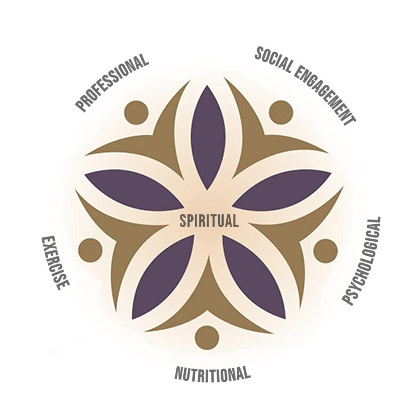
Asami 6 Element Framework

We’re wonderfully complicated humans.

Our health and wellbeing are shaped by much more than what happens in our heads or how well we manage stress.

Our bodies, relationships, work, environment and sense of purpose all play a part. When one area is under pressure, it can affect the others. And when we support one area, the benefits can ripple through the rest of our lives.

The Six Element Wellbeing Framework brings these connections together, helping you understand the bigger picture and identify practical, sustainable ways to support your wellbeing.

mind, body & life

Six elements. One whole person.

1. Mind

Understanding how you think, feel and respond.

Our thoughts, emotions, experiences and patterns influence how we see ourselves and navigate the world. Understanding these patterns can help us manage stress, build self-awareness and find new ways of responding to life’s challenges.

2. Body

Listening to what your body needs.

Physical and psychological wellbeing are closely connected. Sleep, movement, energy, stress and our nervous system all influence how we feel and function. Learning to recognise and respond to your body’s needs is an important part of looking after yourself.

3. Relationships

Connection, belonging and the people around us.

Our relationships can be a source of support, joy and belonging — but they can also contribute to stress and uncertainty. Understanding our connections with others, communicating effectively and developing healthy boundaries can make a real difference to wellbeing.

4. Work

Finding healthier ways to work and contribute.

Work can give us purpose, connection, confidence and a sense of achievement. It can also affect our health when demands become overwhelming or the environment doesn’t support us. Wellbeing at work means looking at both the individual and the conditions in which they work.

5. Environment

Creating spaces and circumstances that help us thrive.

The environments we live and work in influence how we feel, think and function. This includes our physical surroundings, sensory experiences, daily demands, routines and the expectations placed on us. Sometimes improving wellbeing isn’t about changing ourselves — it’s about changing what surrounds us.

6. Purpose

Understanding what matters to you.

A sense of purpose can help us feel connected to our values, interests and the direction we want our lives to take. It might come through family, creativity, contribution, spirituality, meaningful work or personal growth. Understanding what matters to you can help guide decisions and create a greater sense of meaning.

Lisa Johnson Psychologist

It’s all connected

These six elements aren’t separate boxes to tick or another list of things you need to get right.

They influence one another in all sorts of ways.

Stress at work might affect your sleep. Poor sleep might influence your mood and relationships. A change in your relationships might lead you to rethink your priorities or sense of purpose. And a more supportive environment might make it easier to care for your physical and psychological health.

This is why looking at one issue in isolation doesn’t always give us the whole answer.

The framework helps us step back, notice the connections and explore what might make the biggest difference — for you, your life or your workplace.

Wellbeing isn’t about getting everything perfect

You don’t need to work on all six elements at once. You don’t need a perfect routine, an entirely balanced life or a grand plan for personal transformation.

Sometimes one small change is enough to get things moving.

It might mean understanding a pattern that’s no longer serving you, finding a better way to manage stress, having a difficult conversation, moving more regularly, changing something about your work environment or reconnecting with what matters to you.

The aim isn’t to do more for the sake of doing more. It’s to find what is useful, realistic and sustainable for your circumstances.

A preventative approach to wellbeing

You don’t have to wait until you’re burnt out, overwhelmed or struggling to function before paying attention to your wellbeing.

The Six Element Wellbeing Framework supports a preventative approach: noticing what is happening, understanding what might be contributing to it and making changes before difficulties become harder to manage.

It can help individuals develop greater self-understanding and identify meaningful changes in their lives. It can also help workplaces look beyond individual resilience and consider the relationships, systems and environments that influence people’s health and performance.

Because wellbeing isn’t just about helping people cope with the way things are. Sometimes it’s about changing the way things work.

Start with the whole picture

You might already know what’s troubling you. Or you might simply have a sense that something isn’t quite working.

Either is a good place to start.

Together, we can explore the different elements of your wellbeing, understand how they connect and identify practical next steps that make sense for you.

Small changes count. Understanding the whole picture can change everything.

Lisa Johnson Psychologist